Apart from adapting to changing seasons, plants themselves have little need to adjust to fluctuating environmental conditions. The soil serves as a natural reservoir, storing rainwater and nutrients and making them available whenever needed. It even protects plants by retaining pollutants and preventing their uptake. What happens, however, when soil can no longer provide such “services” as a result of overuse and degradation, and how this may affect economies and societies within socio-ecological systems over the longer term, was investigated by geoecologist Hermann Jungkunst and his team together with the RPTU research groups Environmental Economics (Professor Oliver Frör) and Human Geography (Professor Janpeter Schilling) as well as researchers from Hamburg, Bonn, Kassel, Berlin, and Hanover. The collaborative research project was coordinated at RPTU. Specifically, the question was when a tipping point is reached and whether one can recognize when it is reached before it is too late.
The associated research project is called PRODIGY* and was funded by the Federal Ministry of Research, Technology and Space (BMFTR). A tipping point is a sudden change, explains Hermann Jungkunst, providing some background. Like a dam that bursts – which can no longer hold back the water – when the pressure, the stress, is too high or lasts too long – and the system tips over. For the soil, this could mean: “Things go well for a while. Agricultural land can compensate for drought for a long time.” But suddenly and almost irreversibly, it can no longer do so.
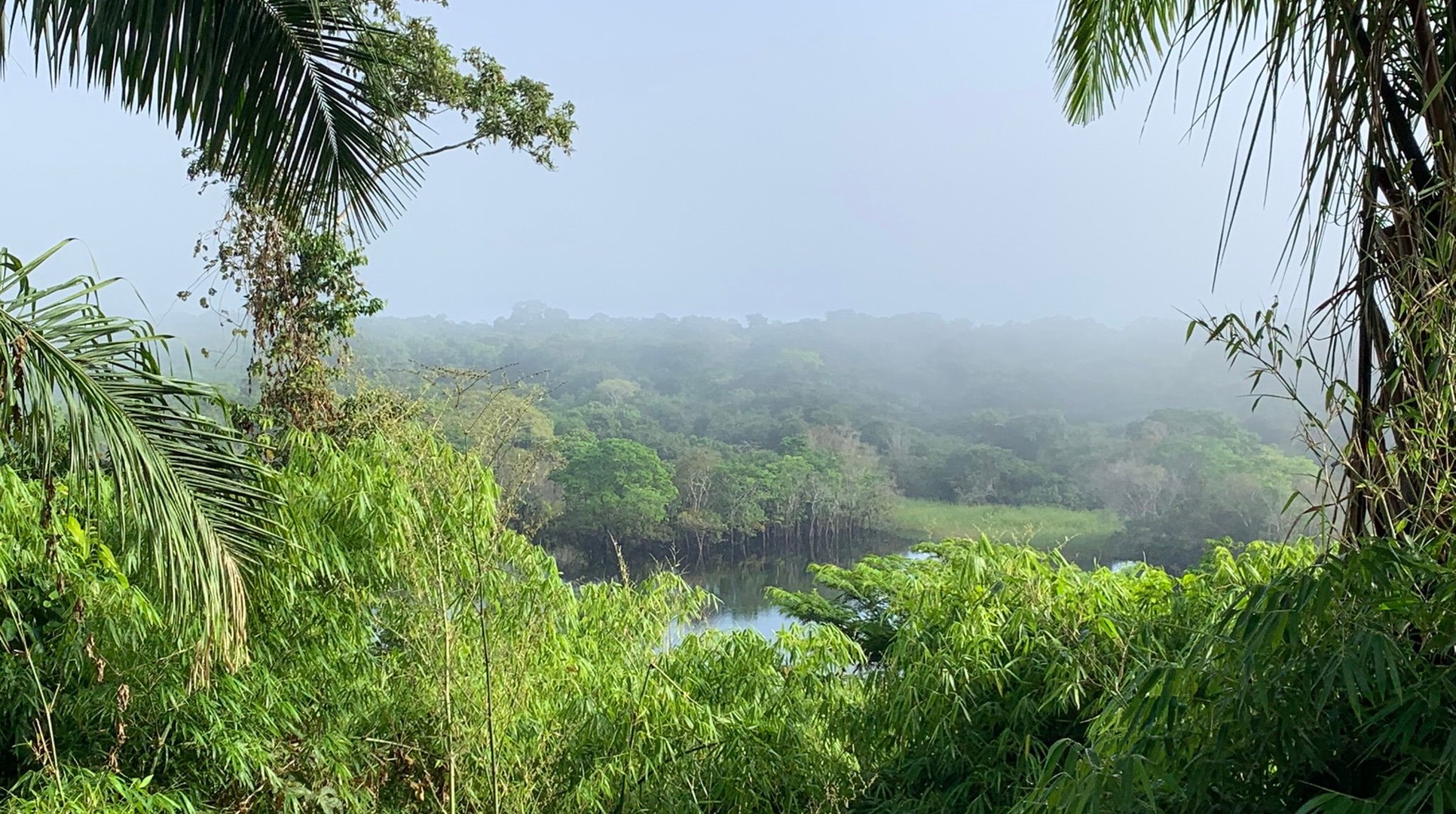
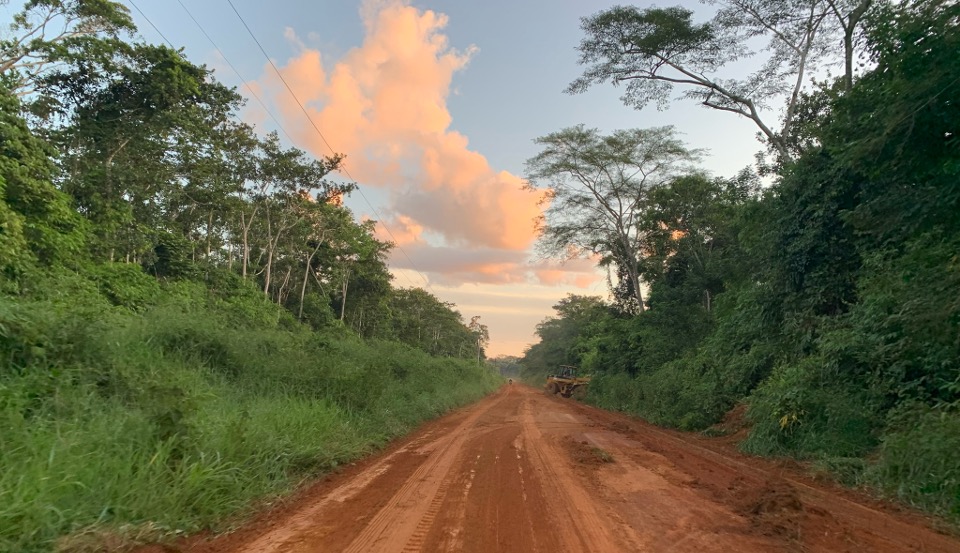
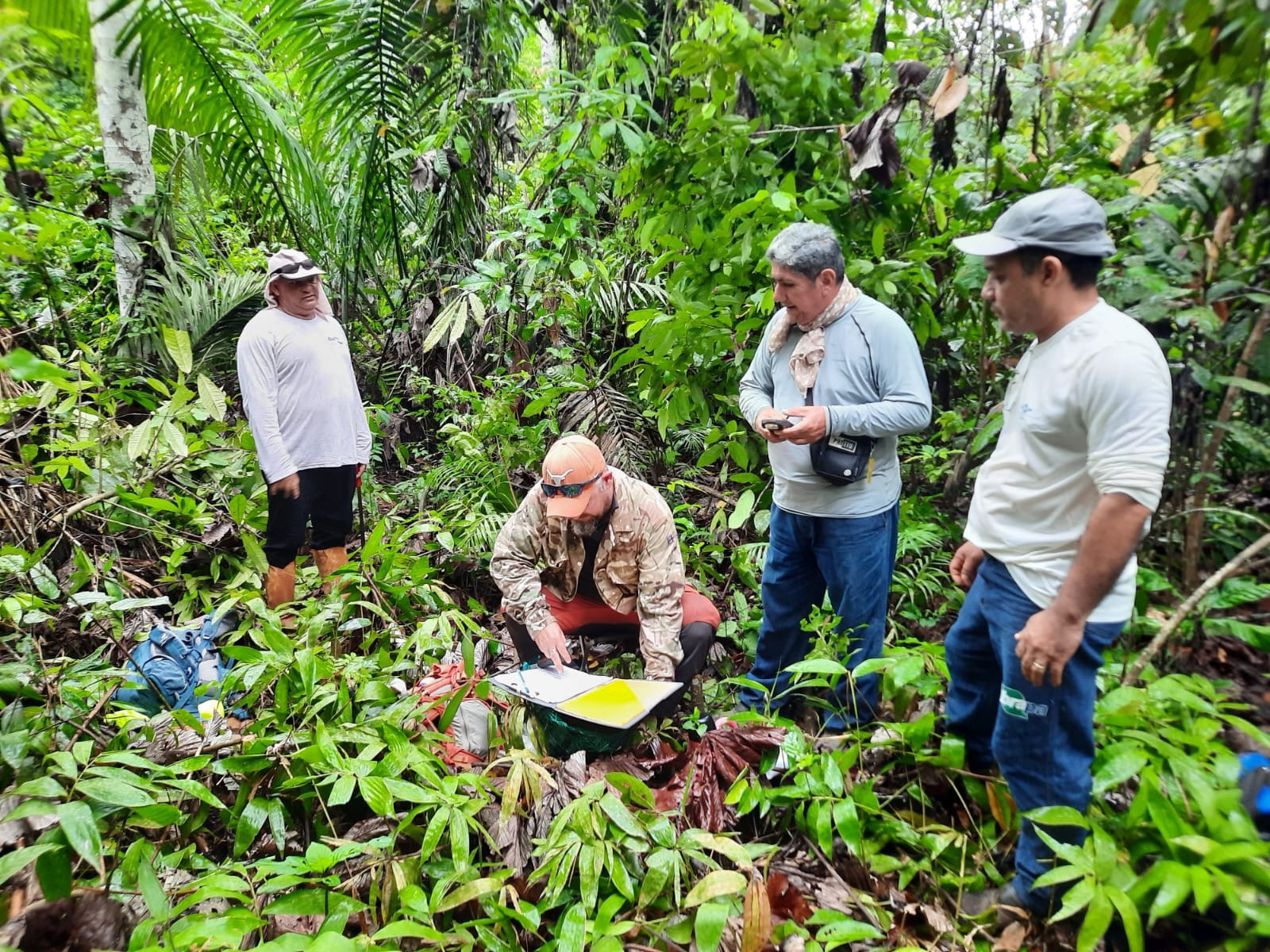
The research focused on the tri-border area in the Amazon region – Bolivia, Brazil, and Peru – an area particularly rich in biodiversity and, at the same time, a region threatened by drought. According to Jungkunst, the idea was to understand the effects on ecosystems through three different communities. Together with his team, he investigated chemical-physical questions as part of the interdisciplinary project, he explains his role in the matter. More specifically: The research team he led examined whether soil emits different greenhouse gases depending on whether it is located in an intact rainforest area – or whether it has been used for agriculture for a long time: “In other words, whether a tipping point has been reached due to the agricultural use of the soil.”
Economic and social systems affected
The other PRODIGY partners focused on different aspects of the project, Jungkunst adds. Here, too, the key question was what consequences may arise when a tipping point is reached.“The underlying concern is that changes in the soil ecosystem can have repercussions for other interconnected systems,” says Jungkunst. By this, he refers to economic and social systems. Against the backdrop of rising gold prices, the researchers observed that, in some areas, gold mining has already become significantly more profitable for local populations than agriculture. “Gold mining is one of the most environmentally destructive industries, and its impacts on soils and ecosystems are dramatic,” Jungkunst explains. What makes this particularly troubling, he argues, is that gold has very little practical value for people apart from its aesthetic appeal. “Yet humans have always been fascinated by it,” he says. “We should all do without it.”
Gases provide information
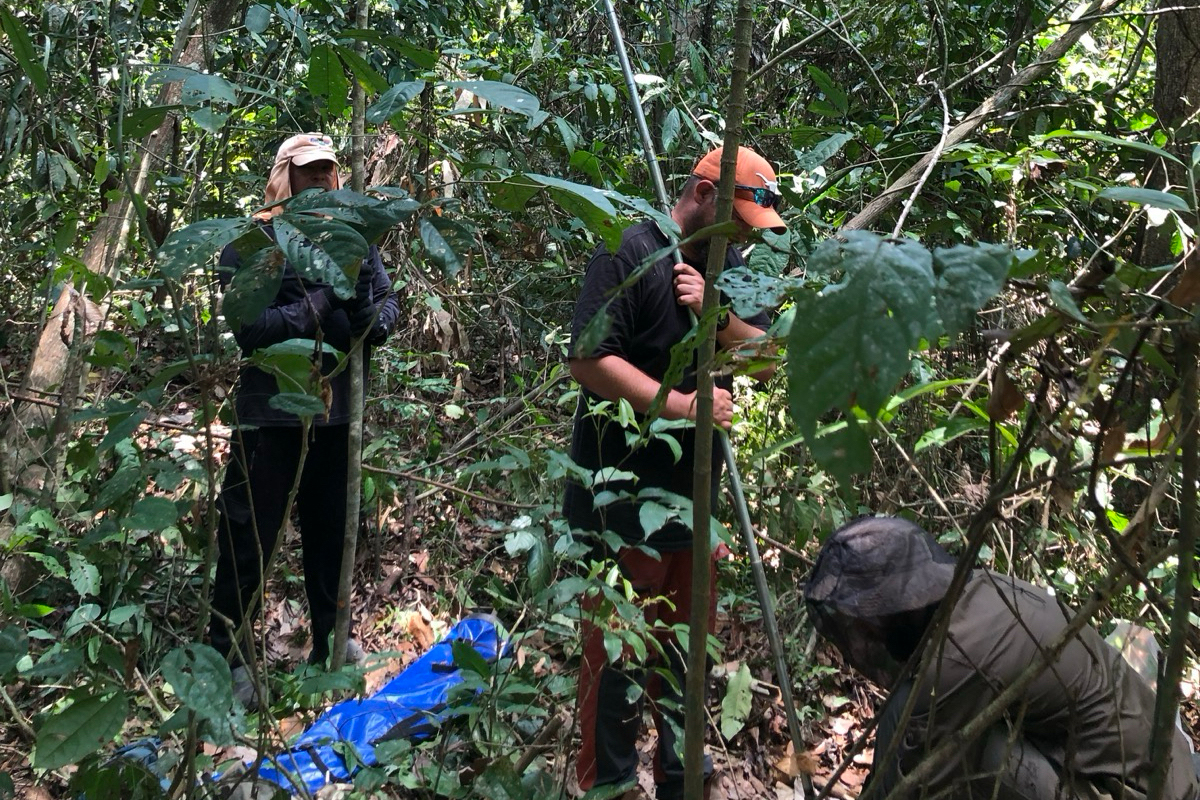
But back to his team and their work in the Amazon region: At a total of four sites with different land uses – each at 12 different farms – the researchers dug large holes that were about one meter deep and two to three meters wide. Soil samples were collected. In addition, and in a relatively straightforward manner, the scientists allowed gases escaping from undisturbed soil surfaces to accumulate in airtight containers – and filled them into small bottles. These gas samples were then analyzed in the laboratory in Landau. Hermann Jungkunst: “The gases in the untouched forest were as expected. In the case of the gases from the young and forest-adjacent agricultural areas – but also after about 10 years of use – we observed that the material fluxes were disrupted.” The studies focused on the three main greenhouse gases, which the researchers used as indicators of an intact ecosystem: CO2, N2O (nitrous oxide), and methane.
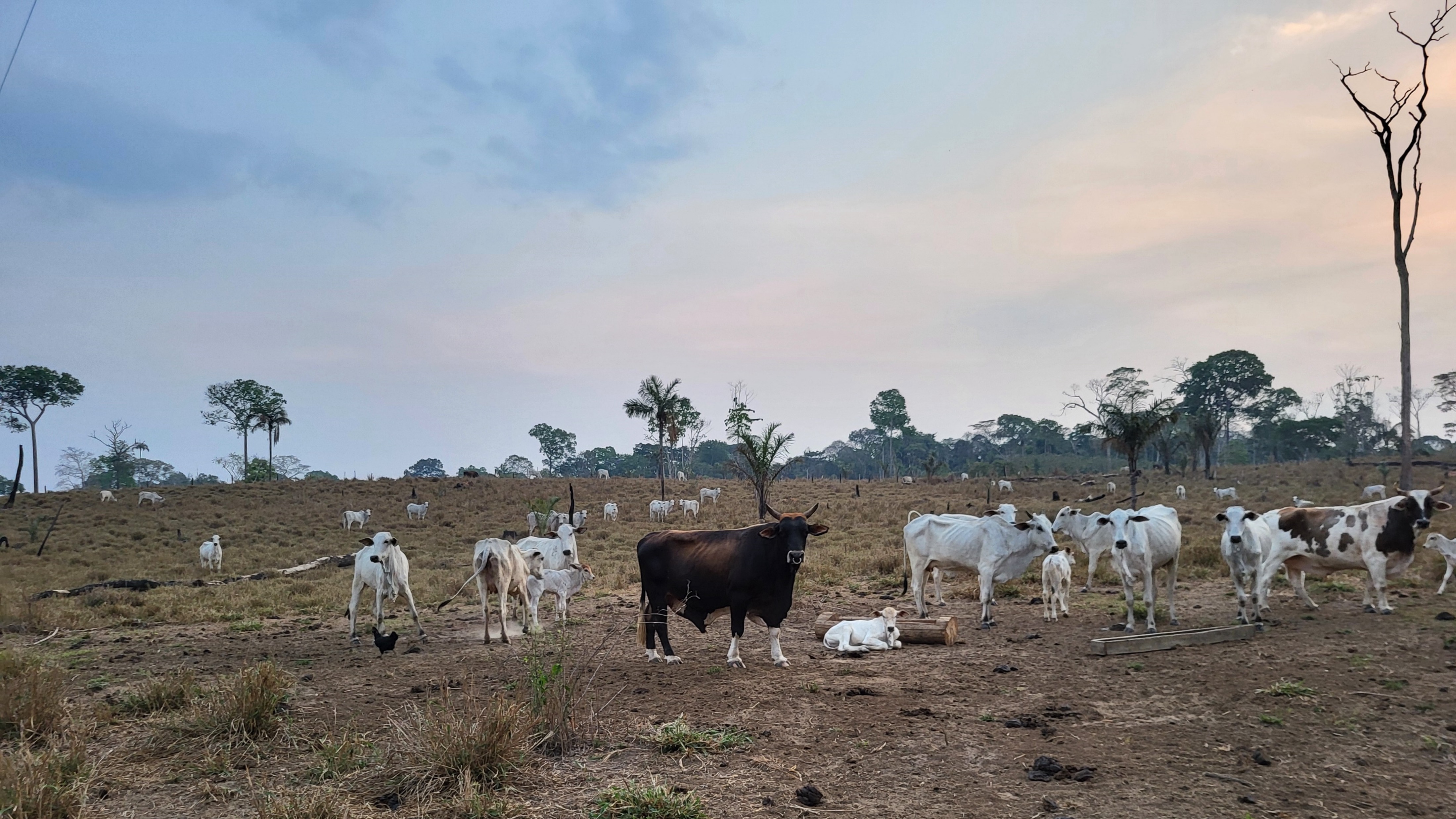
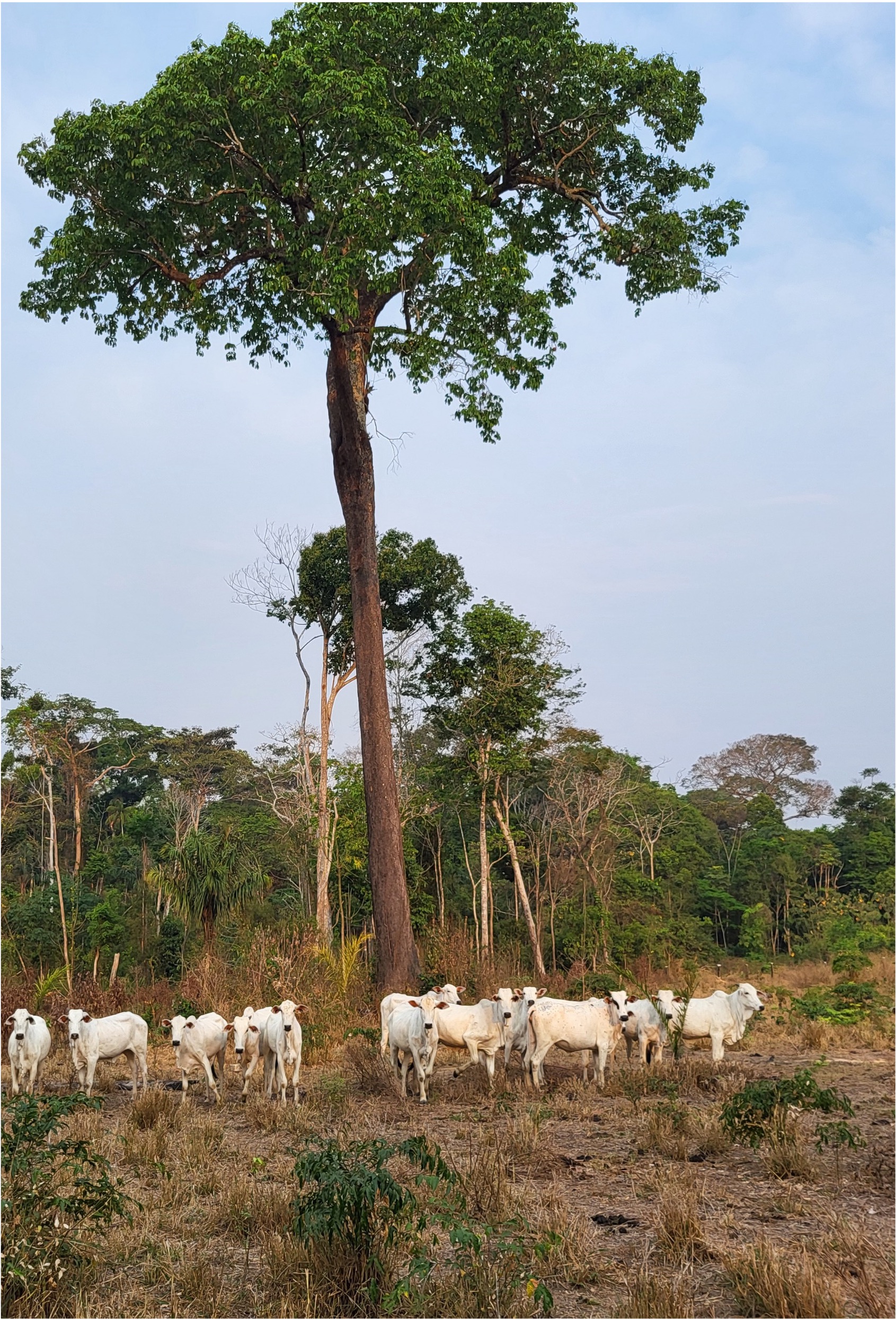
For example, the researchers confirmed that forests – especially in the soil – are better carbon sinks than farmland. Surprisingly, pastureland stores a similar amount of carbon as forest soil – but methane uptake is lower. “Normally, soils remove methane from the atmosphere and sequester the greenhouse gas in the soil.” In the older pasture soils studied, this capacity was already reduced. And the nitrous oxide measurements suggest that the nitrogen cycle in the cultivated areas is disrupted.
Jungkunst concludes: “The agricultural areas we studied have crossed the tipping point.” Or, to put it more generally: The cultivated areas no longer function as they should. They can no longer provide the services expected of them. The result: They can no longer produce as much.
Impact on the “service providers” in the soil
To understand all this more precisely, one must also address the topic of biodiversity. It concerns fungi, earthworms, and microorganisms that naturally live in the soil: “These tiny organisms perform a wide variety of tasks within the ecosystem,” explains Jungkunst. Some, for example, provide phosphorus to plants. Others break down nitrate or bind heavy metals. Still others loosen the soil so that it can store more water. In short: the diversity of organisms in the soil ensures that the soil can perform its various services at all. And, as Hermann Jungkunst explains, the gas measurements conducted by him and his team indicate that the composition of these microorganisms in the cultivated areas has changed: “Some of the microorganisms are already missing.” Because, to put it simply, if they were all still there, then all the material cycles – as analyzed via gas measurements – would still be intact. In summary, the PRODIGY studies have shown that many organisms with slightly different functional properties can help prevent a tipping point from occurring.
What would be the implication of the studies? Agricultural use of the land in parts of the Amazon is necessary – no question. Hermann Jungkunst agrees, adding: “The untouched rainforest and the agriculturally used areas could be structured in a certain ratio to one another.” The forest could be opened in small sections. In a specific grid structure, for example. This is presumably more beneficial for the biodiversity of the agriculturally used areas – and is also the subject of follow-up studies.
Identifying tipping points early
What research is being pursued in the wake of PRODIGY? Simone Kilian, a doctoral researcher in Hermann Jungkunst’s team, is seeking to identify tipping points long before their crossing becomes apparent. Her goal is to gain a deeper understanding of the underlying dynamics in order to identify early-warning indicators. For example, if researchers observe reduced nitrous oxide emissions from a soil, this may signal that a tipping point is approaching. Computer models are being developed to incorporate such indicators and thus predict the conditions under which a particular soil may reach its tipping point and when this is likely to occur. However, this is precisely where Simone Kilian’s research begins. “There is a substantial discrepancy between what actually happens in the field and what existing models predict,” she explains. Hermann Jungkunst is even more direct: “We were surprised by how poor the existing models are.”
What is the problem? Current models fail to adequately account for the presence of so-called pseudo-sands in Amazonian soils. These stable aggregates of clay and silt particles have a profound influence on the soil’s water retention and nutrient dynamics. “We first need to get the physics right before we can get the biology right,” says Hermann Jungkunst. Simone Kilian aims to develop a more comprehensive understanding of soil physics, pseudo-sands, and their effects in order to significantly improve the accuracy of biogeochemical prediction models. After all, tipping points should be detected as early as possible—and, ideally, never reached at all.
*PRODIGY stands for “Process-based & Resilience-Oriented management of DIversity Generates sutainability.” Hermann Jungkunst: “Prodigy is a great band from the 1990s. The term means ‘child prodigy.’ Which relates to functional biodiversity.”
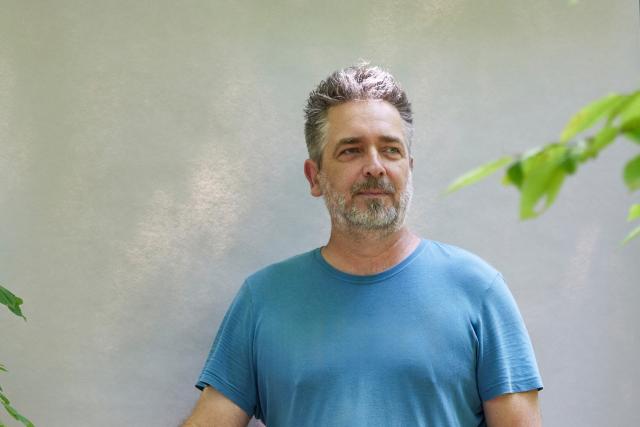
© RPTU, Hans Georg Merkel
Prof. Dr.
Hermann
Jungkunst
Professor of Geoecology & Physical Geography
"Soils are underestimated climate regulators What drives me: We have so much in our hands to get things right – if we understand how."
Hermann Jungkunst is Professor of Geoecology and Physical Geography at RPTU University. Since 2018, he has been managing director of the Institute for Environmental Sciences. His research focuses on biogeochemical cycles, soil carbon storage, plant-soil interactions, and the impacts of land-use changes on ecosystems. He received his PhD in Soil Science from the University of Hohenheim (2004) and completed his habilitation in Physical Geography at the University of Göttingen (2009).
researcher profile on rptu.de
YOU WANT TO LEARN MORE?
Jungkunst HF, Goepel J, Horvath T, Ott S, Brunn M (2022) Global soil organic carbon–climate interactions: Why scales matter. WIREs Climate Change 12: e780. DOI: 10.1002/wcc.780
Kilian Salas, S., Meurer, K. H., Boy, D., Díaz García, E., Woche, S. K., Boy, J., … & Jungkunst, H. F. (2024). The “extra pinch” of pseudosand to enhance tropical biogeochemical processes understanding. Journal of Plant Nutrition and Soil Science, 187(2), 161-170. DOI: 10.1002/jpln.202400090
PRODIGY-Podcast "Digging for Diversity". Elf Episoden tauchen tiefer in die Forschung zu Biodiversität und sozialökologischen Kipppunkten im südwestlichen Amazonasgebiet ein und bieten Einblicke in interdisziplinäre Wissenschaft und Lehre.